Business Intelligence Tool+2 more

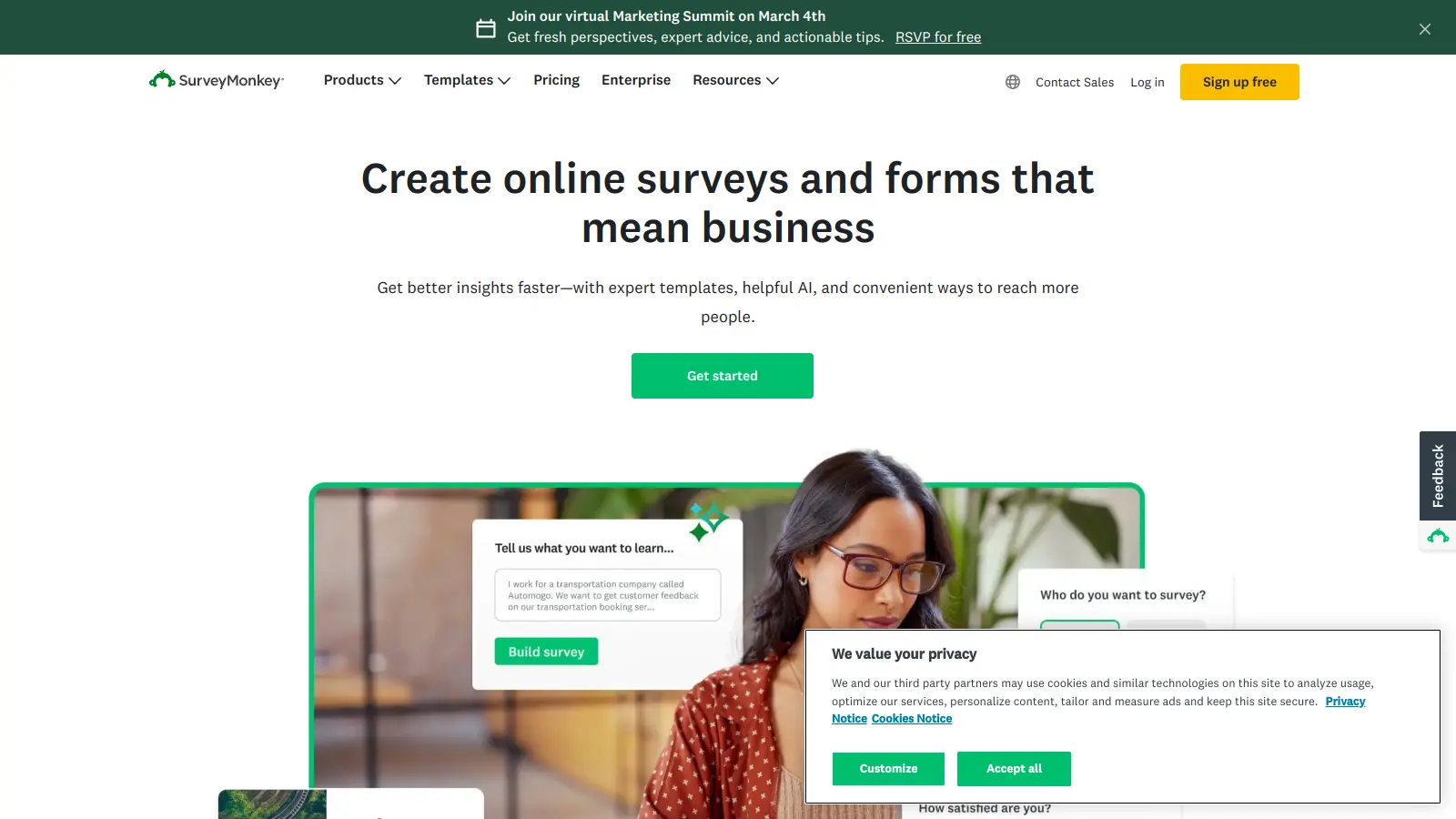
SurveyMonkey
best deal
Try SurveyMonkey's Basic Plan free – Create unlimited surveys with up to 10 questions each
redeem now
SurveyMonkey
best deal
Try SurveyMonkey's Basic Plan free – Create unlimited surveys with up to 10 questions each
redeem nowWe start with direct ratings from our readers, then look at what real users are saying in practitioner forums and community spaces. We pair that with search demand data and profession-level persona analysis.
Editorial note: this was originally published in august of 2024
quick take
based on real user feedback, community sentiment, pricing value, and fit for target audience. see our full methodology
used SurveyMonkey? we'd love to know your thoughts
reader ratings shape our score
SurveyMonkey is one of the oldest names in online surveys, serving over 99% of Fortune 500 companies and available in more than 40 languages. It's genuinely accessible: you can have a professional customer satisfaction survey live in under 15 minutes without touching a line of code. HR managers and small business owners get the most consistent value from it, since their use cases fit neatly into what the platform does well. The tradeoff is that the feature set that makes it worth paying for is locked behind mid-to-high tiers, while cheaper tools like Google Forms handle simpler jobs for free.
Pricing starts with a free plan (10 questions, limited response viewing), moves to Standard at $39/month for unlimited surveys and basic logic, and reaches Advantage at $468/year for advanced branching and full data export. It runs in the browser with no software to install, and integrates with Salesforce, Mailchimp, Slack, and most major HR platforms on paid plans. Before you subscribe, test the free tier on a real survey to find out exactly where its limits hit you.
monthly search interest
165k/mo now
SurveyMonkey's search volume has dropped by nearly two-thirds since its March 2022 peak, with no sign of recovery in the data since. This isn't a viral collapse but a long, steady decline that suggests users are gradually shifting to alternatives rather than abandoning surveys altogether. At 165,000 monthly searches it's still a well-known product, but you're picking up a mature tool in a market that's moved on from defaulting to it.
Whether SurveyMonkey is worth it depends a lot on what you're trying to do and which plan you're comparing it to. Pick your role below to see where it holds up and where it doesn't.
overall sentiment
select your role to see what people like you are saying
Small Business Owner
positiveIf you need customer feedback surveys up and running fast without any technical help, SurveyMonkey delivers. The free plan is a real starting point for simple satisfaction surveys, though the 10-question cap will feel tight quickly. Once you hit the limits, $39/month for Standard is reasonable, but budget for the Advantage plan if you need branching logic or want to export your data cleanly.
strengths
concerns
Marketing Professional
mixedThe template library and analytics are genuinely useful for audience research and campaign feedback. The frustration comes when you need advanced logic or segmentation: those features sit behind the more expensive tiers, and reported bugs in branching logic can derail a time-sensitive campaign. If you're running sophisticated multi-branch surveys regularly, the cost starts to feel hard to justify against leaner alternatives.
strengths
concerns
HR Manager
positiveSurveyMonkey is a solid fit for HR teams that need to run employee feedback surveys without IT involvement. Professional templates, clear analytics, and integrations with common HR platforms make the workflow straightforward. The main pressure point is cost: if you're running multiple survey cycles a year and need advanced branching for different employee groups, the bill adds up faster than expected.
strengths
concerns
Healthcare Provider/Researcher
mixedHIPAA compliance and the necessary Business Associate Agreement are only available on enterprise plans, which makes SurveyMonkey expensive for healthcare and research contexts. If you're doing general patient experience surveys without compliance requirements, the platform works fine. If you need compliant data collection and you're not on an enterprise budget, REDCap is worth looking at first.
strengths
concerns
“The free plan is more of a trial than a real working tier, and you'll hit its limits quickly on any meaningful project.”
Community feedback on SurveyMonkey is broadly positive on ease of use but consistently critical on pricing. Across commercial review platforms, the tool sits around 3.2 stars on some aggregators despite high review counts on others, reflecting a genuine split: people love how fast you can get a survey live, but they hit a wall the moment they need anything beyond the basics. The free plan's 10-question cap and limited response viewing are the most common friction points cited. Users who upgraded to paid tiers frequently flag that the Standard plan at $39/month doesn't include advanced branching logic, and that you need to commit to the Advantage plan or higher to unlock features that feel like table stakes for any serious research. Data export restrictions on lower tiers come up repeatedly, especially among people trying to pipe results into external tools. Mobile responsiveness issues are a recurring complaint, with some users reporting notably lower response rates on mobile-distributed surveys.
It depends on which tier you're looking at. The free plan is genuinely useful only for quick, simple surveys: 10 questions max and limited response viewing means you can't run any meaningful ongoing feedback program on it. The Standard plan at $39/month is reasonable if you're distributing surveys regularly and need unlimited responses and basic logic. The Advantage plan at $468/year is where advanced branching and full data export unlock, and that's when you need to honestly ask whether a cheaper alternative covers the same ground. For most small teams, Standard is the ceiling of value.
HR managers running regular employee feedback cycles get the most out of it: the professional presentation, no-code setup, and integrations with HR systems make it easy to run surveys without IT. Small business owners who need customer satisfaction surveys fast and without technical help also get genuine value. Marketing professionals benefit from the template library and analytics, though they're the most likely to bump against feature walls on mid-tier plans.
Two stand out. First, the pricing structure gates features that most users actually need behind the most expensive plans. Basic branching logic isn't available on the free or Standard tiers, which means anyone building conditional surveys is forced to upgrade. Second, data export is restricted on lower tiers, which matters immediately if you're trying to connect survey results to a CRM, analytics platform, or HR system. Mobile responsiveness issues are a third concern that can quietly tank response rates if your audience is primarily on phones.
Typeform wins on respondent experience: conversational one-question-at-a-time flow consistently gets higher completion rates, especially on mobile. SurveyMonkey wins on analytics depth and template volume, and its free tier at least gives you a real feel for the product before you commit. If your priority is response rate and modern survey design, go with Typeform. If you need robust reporting and your audience is desktop-based, SurveyMonkey's Advantage plan holds up. For HR managers in particular, SurveyMonkey's existing integrations with HR systems often tip the decision.
Only on enterprise-tier plans. HIPAA compliance and the Business Associate Agreement (BAA) that goes with it aren't available on individual or team plans. Healthcare providers and researchers who need compliant data collection should verify directly with SurveyMonkey's enterprise sales team before committing, and factor that cost into the decision. If budget is tight, REDCap is a free academic-focused alternative that's HIPAA-compliant out of the box.
toolsforhumans editorial team
Reader ratings and community feedback shape every score. Since 2022, ToolsForHumans has helped 600,000+ people find software that holds up after launch. how we research →

Google Analytics is a free web analytics service by Google that helps businesses track and analyze website and app performance. It provides insights into user behavior, traffic sources, engagement, and conversions through real-time reports, audience segmentation, and advanced tracking tools. The latest version, GA4, offers machine learning capabilities, improved privacy features, and event-based tracking to measure online interactions across platforms.
best deal
Start with Google Analytics Free - Track visitor behavior, create custom reports, and get real-time insights across all your platforms at zero cost.

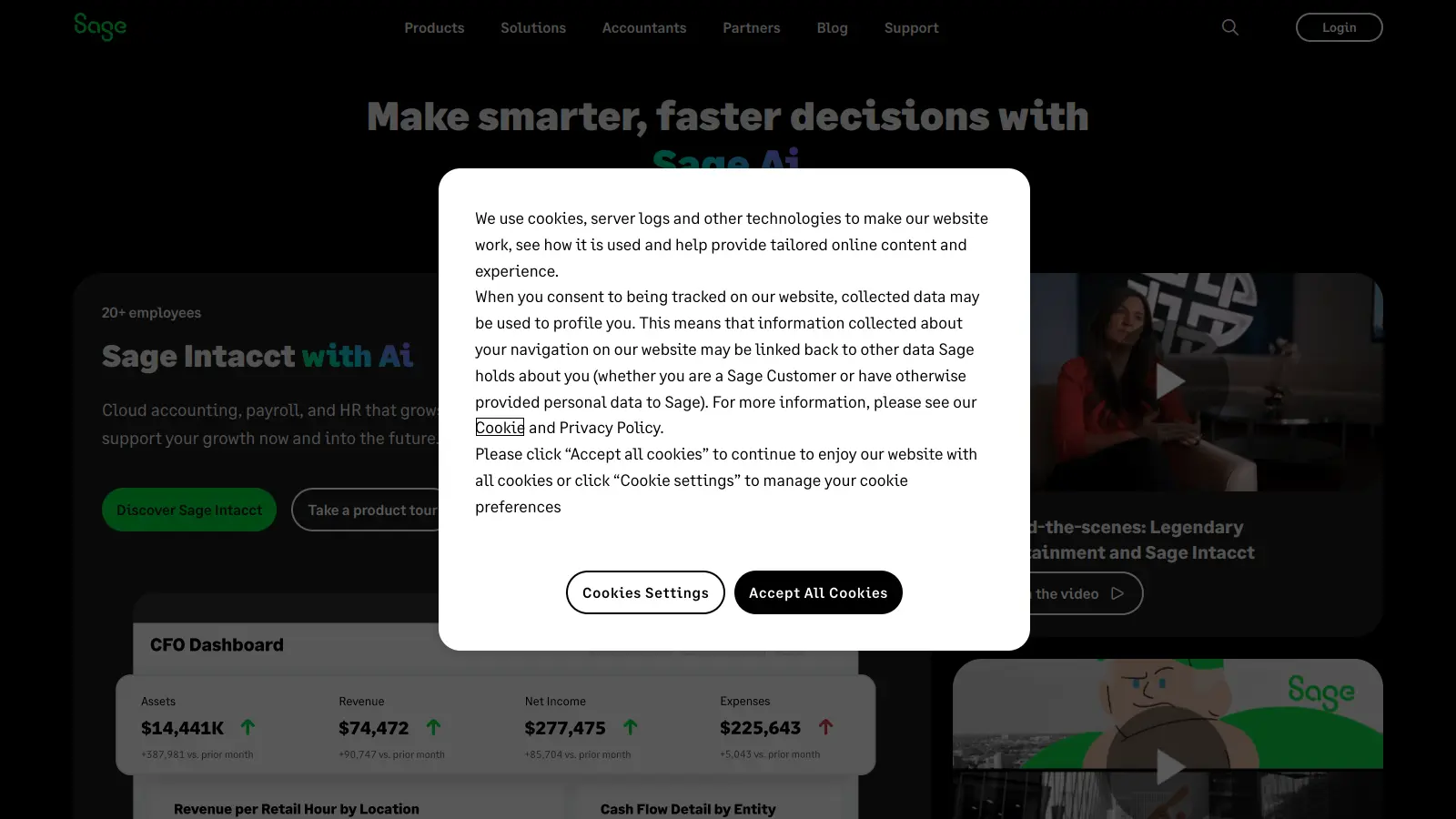
Sage is a software provider offering cloud-based accounting and enterprise resource planning (ERP) solutions for businesses. Their products range from simple accounting tools for small businesses to comprehensive ERP systems for larger enterprises, with features like invoicing, expense tracking, payroll management, data integration, and real-time analytics.
best deal
Start with Sage Accounting from just £12/month and streamline your small business finances today

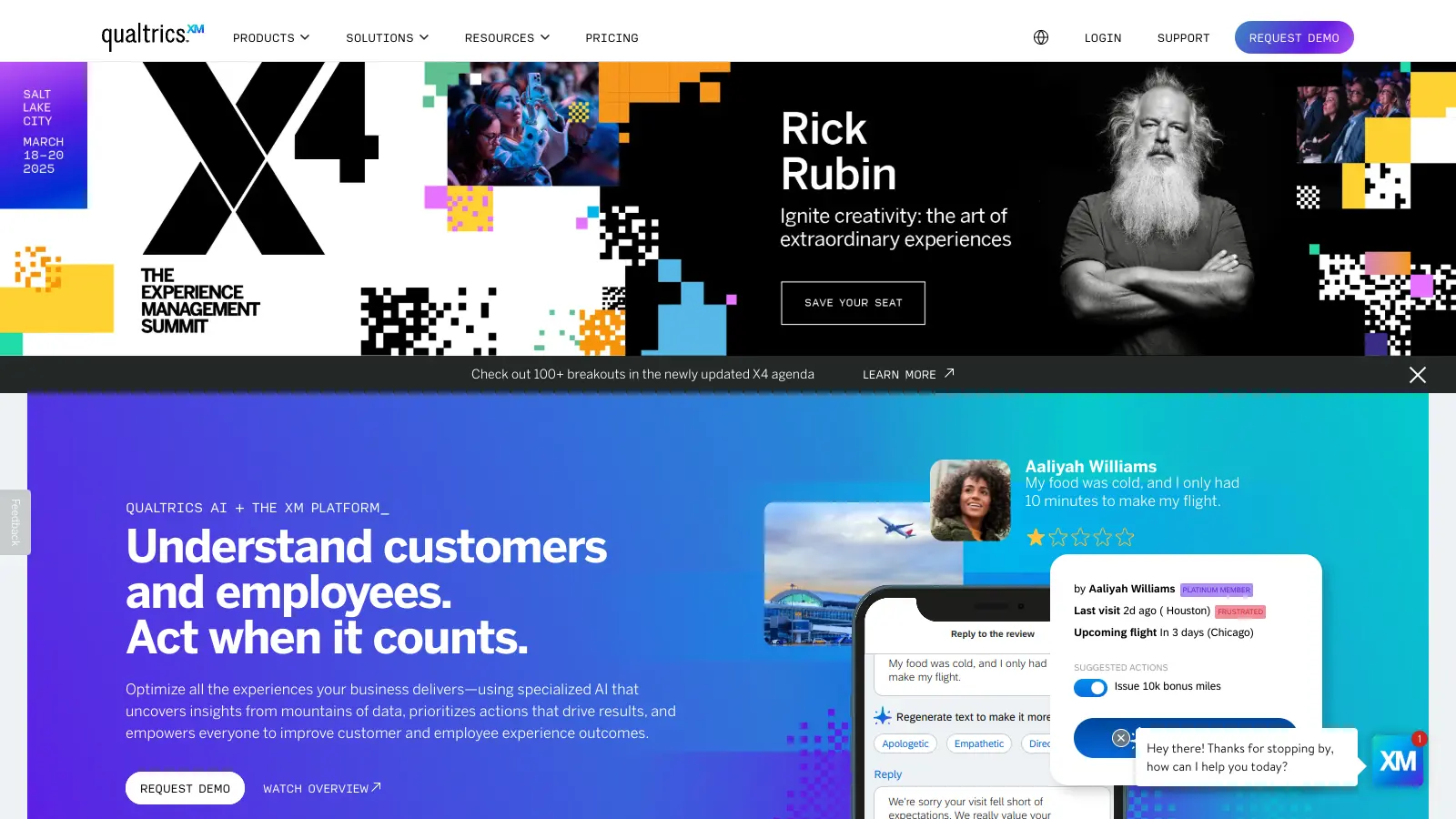
Qualtrics is an AI-powered experience management platform for creating, distributing, and analyzing surveys. It uses machine learning, natural language processing, and generative AI to collect and analyze feedback across surveys, video, calls, and chats. Features include customizable surveys, AI-driven analytics, and enterprise integrations.
best deal
Start Free Now: Get 500 survey responses with basic features on a single-user account

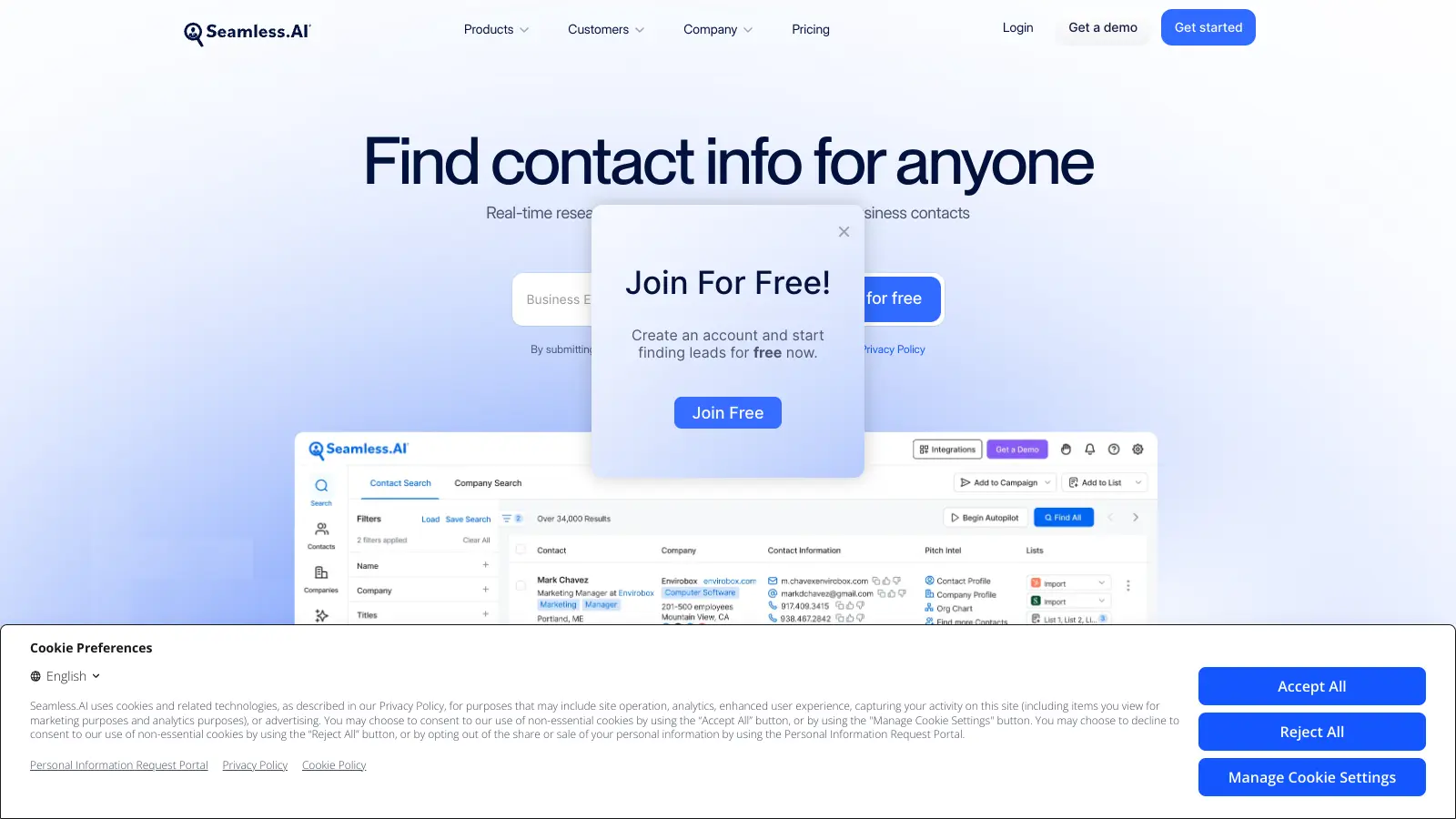
Seamless.AI is an AI-powered sales intelligence platform that helps B2B sales and marketing teams find verified contact information in real-time. Founded in 2015, it provides emails, direct phone numbers, mobile numbers, and company data to connect with decision makers. The platform includes a web app, Chrome extension, CRM integrations, and AI-powered outreach tools.
best deal
Try Seamless.AI free with 50 lifetime credits to find verified B2B contacts with real-time search

Columns AI is a data storytelling platform that automates the creation of interactive visualizations and data stories from spreadsheets, databases, and APIs. It uses artificial intelligence to help marketers, analysts, and data teams transform raw data into narratives with annotations, animations, and voice overs. The platform offers an intuitive interface, data catalog management, and collaboration tools with pricing starting from a free tier up to $75 per year for premium features.
best deal
Lifetime deal available for $99 through AppSumo (89% off) – includes AI data storytelling and interactive visualization features

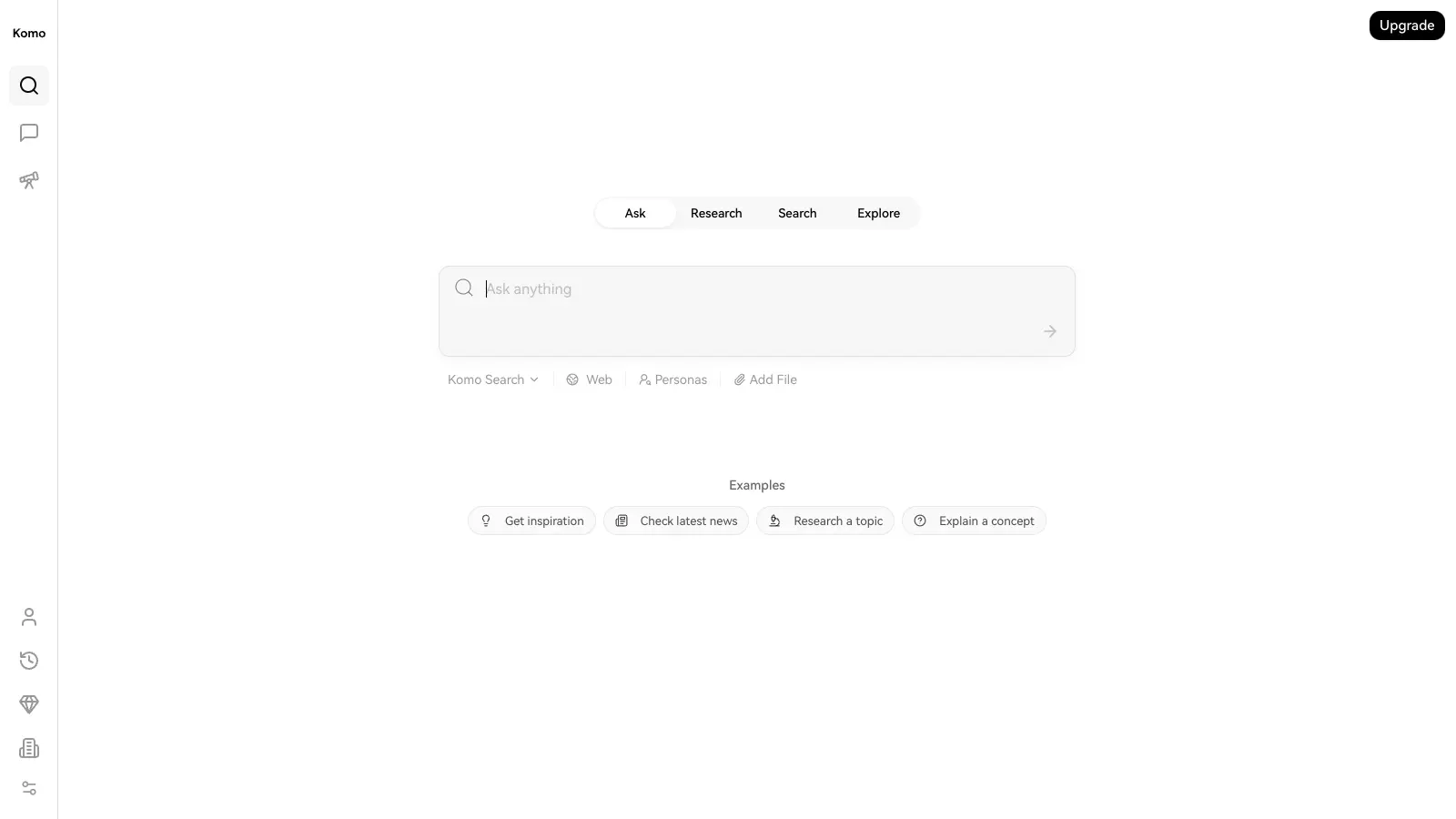
Komo AI is an advanced AI-powered search engine offering a secure, ad-free, and comprehensive search experience. It uses generative AI to provide relevant results, supports multiple languages, and includes features like chat interaction, content summarization, real-time news updates, and concept exploration. Available on mobile platforms, Komo AI caters to research, business intelligence, and content creation needs, with pricing plans ranging from free to enterprise-level options.
best deal
Try Komo AI's free tier for basic AI search capabilities before upgrading to the $8/month Basic plan.